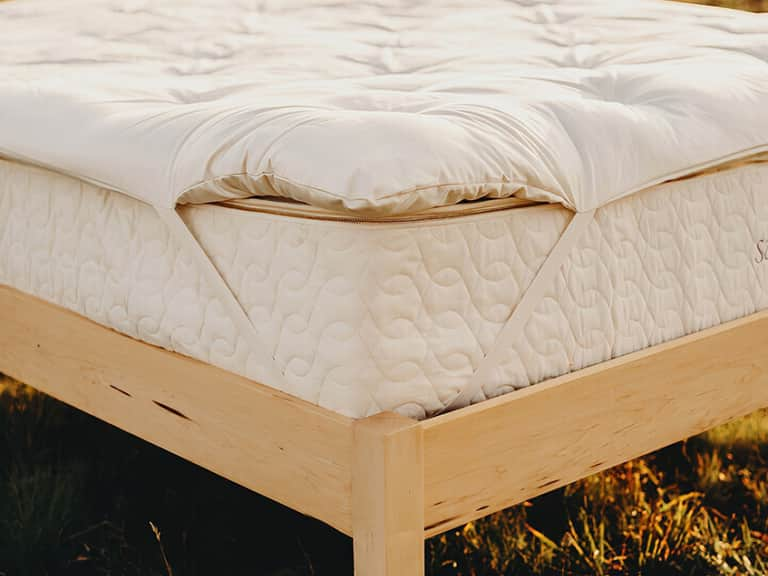
In the quiet, disciplined world of sleep science, organic bedding stands as a pledge—an assurance that the materials touching our bodies acknowledge both health and the planet. To understand organic beds is to trace a lineage from field to sleeper, from the ethics of cultivation to the science of comfort. This guide follows that lineage, offering a practical framework for readers who seek transparency, durability, and peace of mind in their mattress choice.
Organic materials in mattresses are not just a trend; they are a response to concerns about chemical exposure, indoor air quality, and the environmental footprint of consumer goods. The term “organic” in this context typically signals adherence to specific certifications and farming practices that reduce synthetic inputs, promote soil health, and ensure the absence (or minimal presence) of harmful additives in the final product. Yet, organic credentials alone do not guarantee a perfect night’s sleep. The true value lies in how these materials interact with your body, climate, sleep style, and daily routine.
This article unfolds in four parts: a foundation on why organic beds matter, a clear map of the key certifications and what they guarantee, a tour of common organic materials and their care needs, and a practical, buyer-facing framework for evaluating organic mattresses. Toward the end, we’ll introduce a real-world example of a high-integrity product to illustrate how certified organic components translate into everyday comfort.
1) Why Organic Materials Matter for Sleep Health and the Environment
Organic beds are designed to minimize exposure to potentially harmful chemicals and to reduce the environmental impact of their production. In practical terms, organic cotton surfaces, natural latex, and wool fills can create a sleep surface that breathes more freely, supports precise pressure relief, and aligns with a broader ethic of sustainable living. For many sleepers, organic components translate to a sleep environment that feels purer, cooler, and less likely to irritate sensitive skin or allergies. For the planet, responsible farming practices and reduced chemical inputs can mean less groundwater contamination, healthier ecosystems, and a longer product lifespan that delays the need for replacement and disposal.
2) Certifications: The Trust Markers You Should Know
Certifications act as third-party validators that help buyers distinguish between marketing claims and verifiable standards. The most widely recognized marks in the organic bedding space include:
- Global Organic Textile Standard (GOTS): The premier standard for organic textiles, covering the entire supply chain from raw materials to finished product. GOTS ensures organic fibers are processed with minimal synthetic chemicals, and it imposes social and environmental criteria throughout the production process.
- Global Organic Latex Standard (GOLS): The gold standard for organic latex, ensuring that latex used in mattresses originates from organic sources and is processed in a manner that prioritizes environmental protection and worker welfare.
- GOTS-certified organic cotton: Signals that the cotton surface meets stringent criteria for organic farming and environmentally conscious processing.
- OEKO-TEX Standard 100 or 1000-series: While not exclusively organic, these certifications verify that textiles meet safety and environmental standards at the material level, supplementing organic certifications where relevant.
- other regional certifications: Depending on geography, regional or national standards may apply. It’s important to understand which body certifies a given component and what precisely that certification covers (materials, processing, or finished product).
When evaluating a mattress, it’s wise to look for a combination of certifications rather than a single claim. If a product bears a GOTS label for the fabric surface and a GOLS label for latex, you’re seeing a layered commitment to organic farming, responsible processing, and durable materials. Certifications offer a lens into supply chain integrity and long-term considerations such as chemical exposure, allergen control, and environmental stewardship.
3) Popular Organic Materials and How They Perform
Natural latex (often derived from rubber trees) is prized for its buoyant, responsive feel and resilience. Organic latex tends to offer strong durability and consistent zoning of support. It naturally resists dust mites and is breathable, which can help regulate temperatures across seasons. Care: gentle cleaning, avoid prolonged exposure to moisture, and follow manufacturer’s guidance for washing or airing the cover. Avoid harsh chemical cleaners on latex components as they can degrade the material over time.
Organic cotton surfaces provide a soft, breathable interface between you and the core materials. Cotton surfaces are typically paired with other fillings to balance springiness and comfort. Look for long-staple or combed cotton for durability, and note that organic cotton’s breathability can complement latex or wool fills by facilitating air flow.
Wool fills are celebrated for moisture-wicking properties, temperature regulation, and natural elasticity. Wool can help distribute heat away from the body and smooth the contact surface during sleep. Care: avoid high heat laundry cycles on wool products; follow label instructions for spot cleaning or surface care. Wool’s natural flame resistance and sustainability profile also add to its appeal as a premium organic component.
Other common organic inclusions include organic wool or cotton blends, and in some cases, plant-based foams that adhere to safe, organic processing standards. The key is to examine how each material contributes to the overall sleep experience: alignment, pressure relief, temperature control, and durability throughout years of nightly use.
4) Care and Maintenance: Extending Lifespan and Preserving Integrity
Organic beds deserve thoughtful care to maximize longevity. General guidelines include regular rotation to ensure even wear, following the manufacturer’s washing and airing instructions, and keeping the sleep environment within a reasonable temperature and humidity range. For latex layers and wool fills, avoid excessive moisture exposure, which can degrade materials or foster mold growth. Periodic surface cleaning with mild, non-toxic cleaners and thorough dry-out after any dampness are prudent practices. Protecting your investment with a quality, certified mattress protector can help preserve the organic surface while offering an additional barrier against staining and dust.
5) A Field-Tested Example: Vispring Regal Superb as a Case Study
To illustrate how craftsmanship and organic principles can converge in a single product, consider the Vispring Regal Superb. This model blends hand-tufted comfort with a core of pocket-sprung support and a carefully sourced natural filling regime. While Vispring is a luxury line, the Regal Superb serves as a benchmark for material integrity and construction discipline. The ticking is woven with real Shetland wool and cotton, creating a loft that responds to weight and movement while keeping temperature fluctuations in check. The central horsetail blend works to trap and release air, contributing to a cooling profile as the night progresses. The border is anchored by Platinum Certified British fleece wool and cotton, delivering a stable, edge-to-edge support that reduces migration of fillings. In short, Regal Superb exemplifies the principle that a mattress can be an honest articulation of organic materials coupled with high-precision engineering. For readers seeking a premium reference point, this model demonstrates how organic components can be integrated into a performance-driven luxury product.
Vispring Regal Superb
A premier example of organic materials, meticulous craftsmanship, and independent spring technology. The Regal Superb emphasizes open-structure fillings, lamination integrity, and edge stability—an ideal reference for readers evaluating the upper end of organic bedding.
When exploring organic beds, a careful comparison across certifications, materials, and care regimes helps demystify the marketplace. This guide has provided a framework to assess what matters most to you: health considerations, environmental impact, long-term performance, and the practical realities of owning an organic sleep surface. The availability of a Vispring Regal Superb as a reference point reinforces how the best organic materials can be deployed within high-precision construction to deliver durable, restorative sleep experiences.
6) A Practical Evaluation Framework for Buyers
Use this quick checklist during product research and shopping:
- Certification map: Are the essential certifications disclosed for each material or component (GOTS, GOLS, others)?
- Material transparency: Are the origins and processing methods for latex, wool, and cotton clearly described?
- Durability indicators: What is the expected lifespan of each organic component? Are there warranties that reflect organic materials?
- Care guidance: What cleaning and maintenance protocols are recommended? Are there any restrictions on washing or professional cleaning?
- Environmental footprint: Does the brand share lifecycle assessments, recycled content, or sustainable farming practices?
- Fit and comfort: Does the mattress meet your sleep preferences for firmness, contouring, and temperature regulation?
Conclusion: The Organic Bed as a Science of Sleep
Organic beds are not merely about avoiding synthetic inputs; they are a comprehensive approach to sleep health, design, and environmental stewardship. By understanding certifications, materials, and care practices, readers can discern between marketing and evidence-based choices. The ultimate goal is a sleep surface that supports your body, respects your health, and respects the ecosystems that sustain the materials we rely on for a good night’s rest.
If you’re interested in a deeper dive, consider a content calendar and sitemap tailored to the Direction B model—a non-commercial, research-forward resource designed to build trust and provide evergreen guidance for mattress buyers and sleep enthusiasts alike.